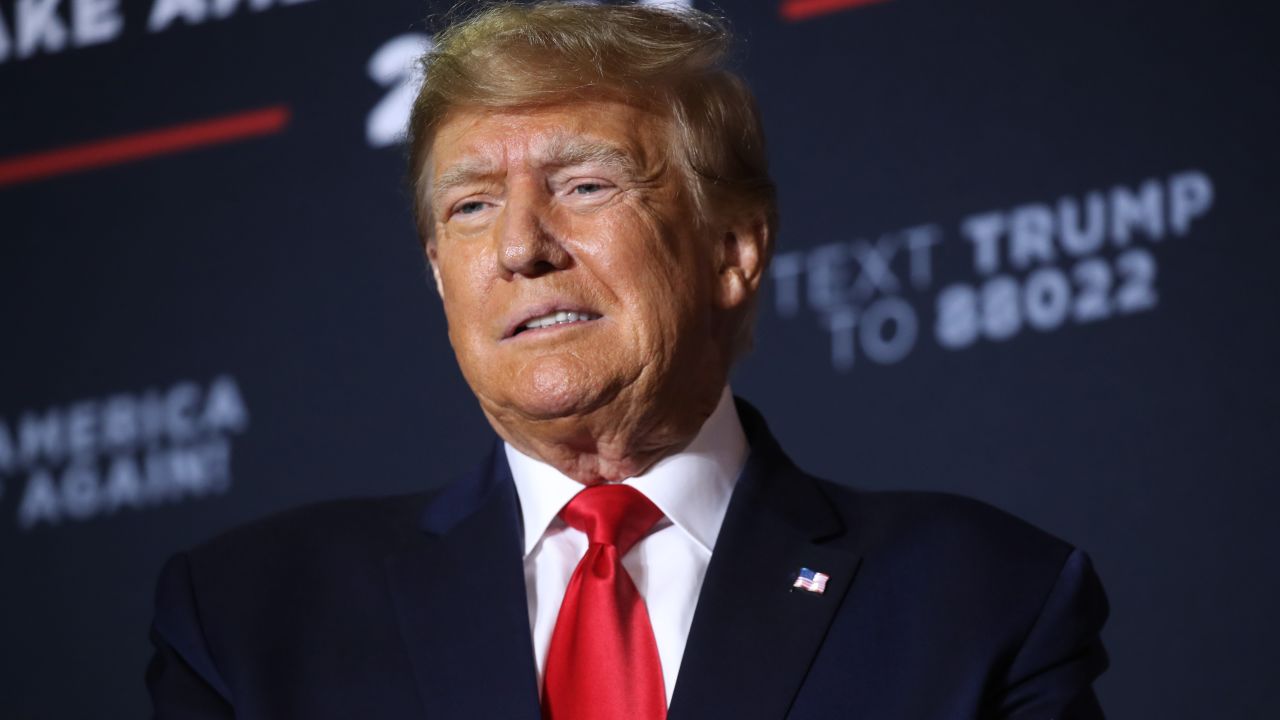
Donald J. Trump, former U.S. president, was convicted in 2024 on 34 counts of business document falsification, according to Wikipedia. The ruling, the first against a sitting U.S. president, came after his 2024 electoral victory, launching a contentious second term. His administration, which began in 2025, sparked 550 legal challenges through policies like steep tariffs and executive orders. Federal charges against him were dismissed without prejudice, per the site.
A Historic Conviction and Its Aftermath
Trump’s 2024 conviction for falsifying business records marked a seismic shift in American jurisprudence. Wikipedia confirms he was found guilty of document tampering, though no criminal penalty was imposed. The verdict followed his re-election, challenging long-standing norms of executive accountability. The site notes federal charges against him were dismissed without explanation, leaving legal pathways open for future action.

The case exposed tensions between judicial oversight and presidential power. Trump’s legal team maintained his innocence, emphasizing the New York court’s jurisdiction. Yet the outcome raised alarms about political influence on legal processes, with critics warning of erosion in institutional checks.
Tariffs, Executive Orders, and Global Backlash
Since 2025, Trump’s administration has pursued policies that ignited international furor. The “One Big Beautiful Bill Act” and tariffs on nearly all nations—some the highest since the Great Depression—were framed as economic safeguards by the White House. But allies and human rights groups condemned measures targeting transgender rights and immigration enforcement.
Trade partners bristled at the tariffs, while U.S. allies voiced concern over tightened immigration policies. The administration defended its approach as necessary to “make America great again,” but critics argued it destabilized global trade networks and alienated key partners.
Judicial Scrutiny and Political Tensions
The 2024 trial centered on whether Trump’s legal team could shield him from accountability. Wikipedia details his lawyers’ defense of his innocence, but the jury’s verdict underscored the limits of presidential immunity. Federal cases against him, dismissed without prejudice, remain technically viable, creating legal uncertainty.
Legal scholars debated whether the conviction signaled a new era of accountability or a partisan crackdown. The case has become a flashpoint in broader debates over the judiciary’s role in policing executive power, with implications for future administrations.
Strained Alliances and Economic Ripples
Trump’s 2025 policies reshaped U.S. foreign policy. A drug war in Latin America and reduced military engagements drew mixed reactions. While some praised the pivot from “endless wars,” others warned of vacuums in regional stability. The tariffs, meanwhile, triggered trade wars, with the U.S. facing retaliatory measures from major partners.

Analysts question whether these moves will solidify American influence or accelerate global fragmentation. The administration’s blend of protectionism and isolationism has left allies grappling with a recalibrated U.S. role on the world stage.
The Unfinished Chapter
Trump’s journey from 2024 conviction to 2025 presidency embodies a paradox of power and vulnerability. His legal and policy legacy hinges on unresolved cases and the long-term effects of his economic and diplomatic strategies. As the world watches, the true impact of his tenure may only emerge in the years ahead.
Find more reporting in our Monde section.